How to Fix a Dripping Tap
Fixing a dripping tap comes down to two questions: which part has worn out, and who is allowed to change it. This guide covers how to fix a dripping tap, what Queensland law lets a householder do, and when the job belongs to a licensed plumber.
If we're late, $100 comes off your bill
- Licensed and InsuredEvery job done by a licensed plumber. QBCC No: 15024607
- Fixed Quote FirstFlat-rate pricing, agreed before any work starts
- Lifetime Labour WarrantyBacked by our Fix-It-or-It's-Free guarantee (T&Cs apply)
- $0 Call-Out FeesNo extra charge for nights, weekends or public holidays
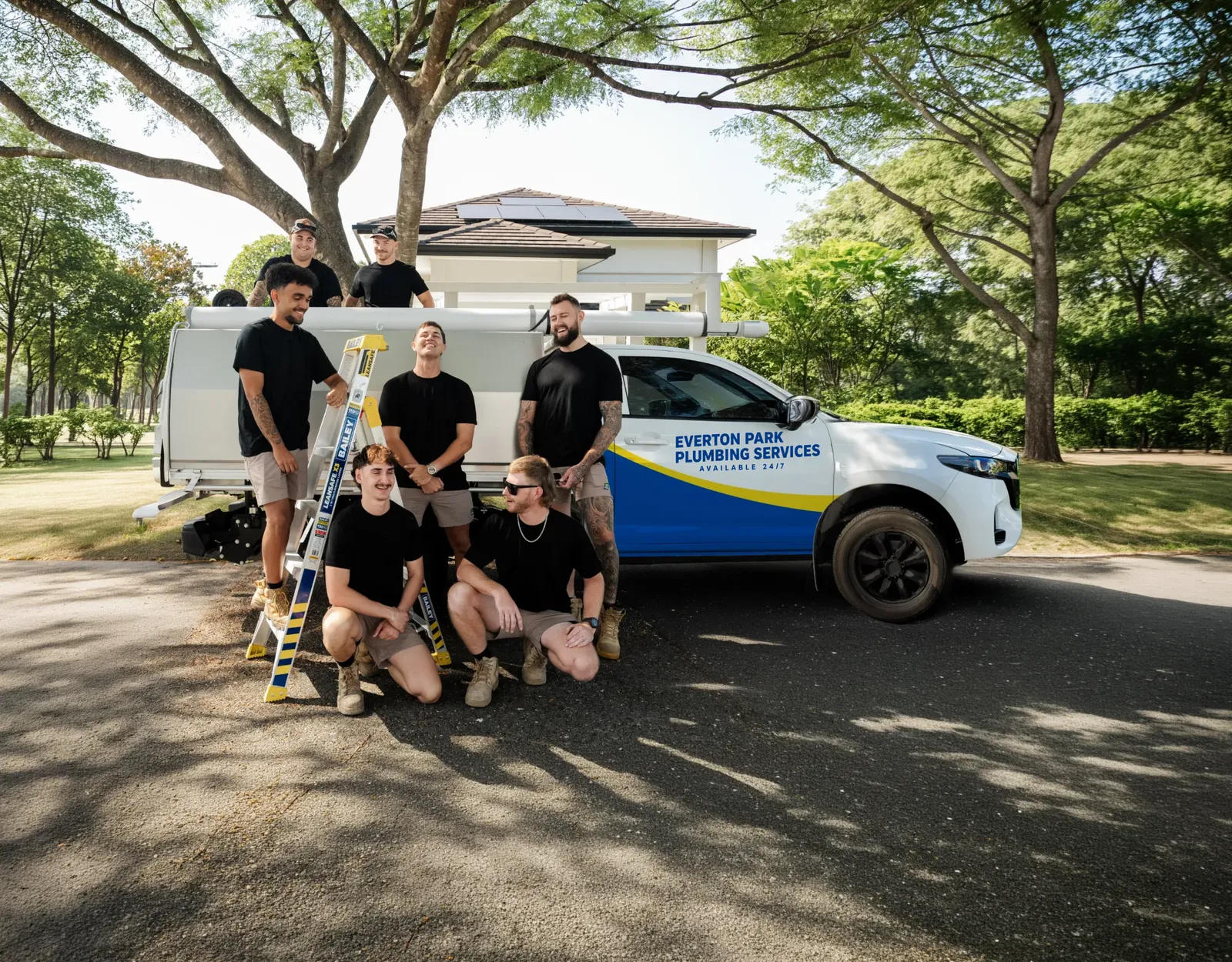
We handle taps all over Everton Park, from sixties weatherboard to modern units, and every job is done by a licensed plumber. A drip can also wait for a booked visit, so there's no need to panic over a leaking spout.
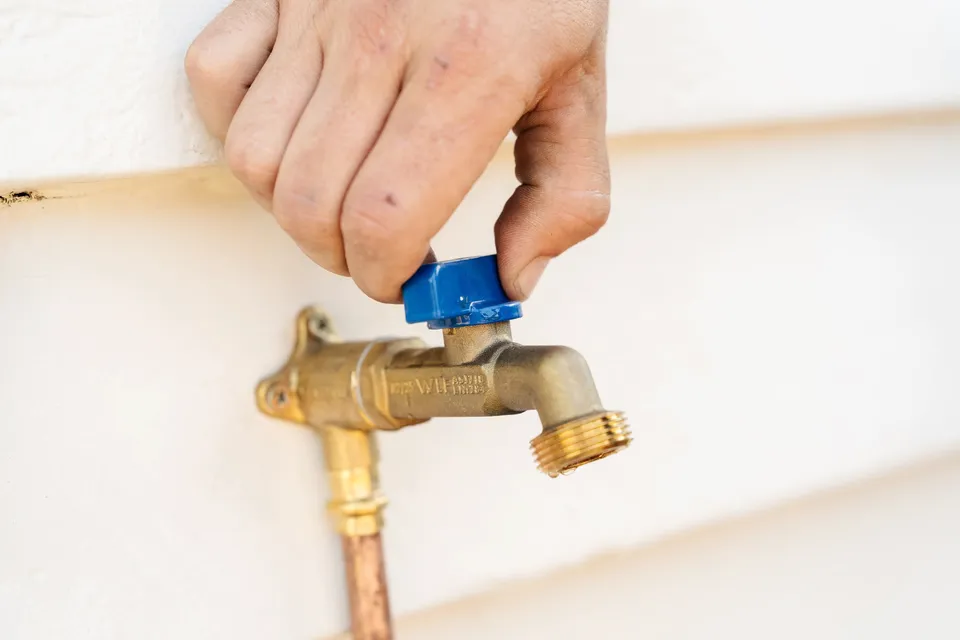
Compression and Ceramic Disc Taps Explained
Two tap designs fill most Queensland homes, and each seals differently: the compression type presses a rubber washer down onto its seat, while the mixer type relies on a ceramic disc cartridge. Each wears out in its own way, and the type decides who may legally do the repair.
You can pick a compression tap by its twin handles, hot and cold each getting their own, and each needing several full turns. Turning the handle drives a spindle down, and a jumper valve under the spindle carries the washer onto the seat and stops the flow.
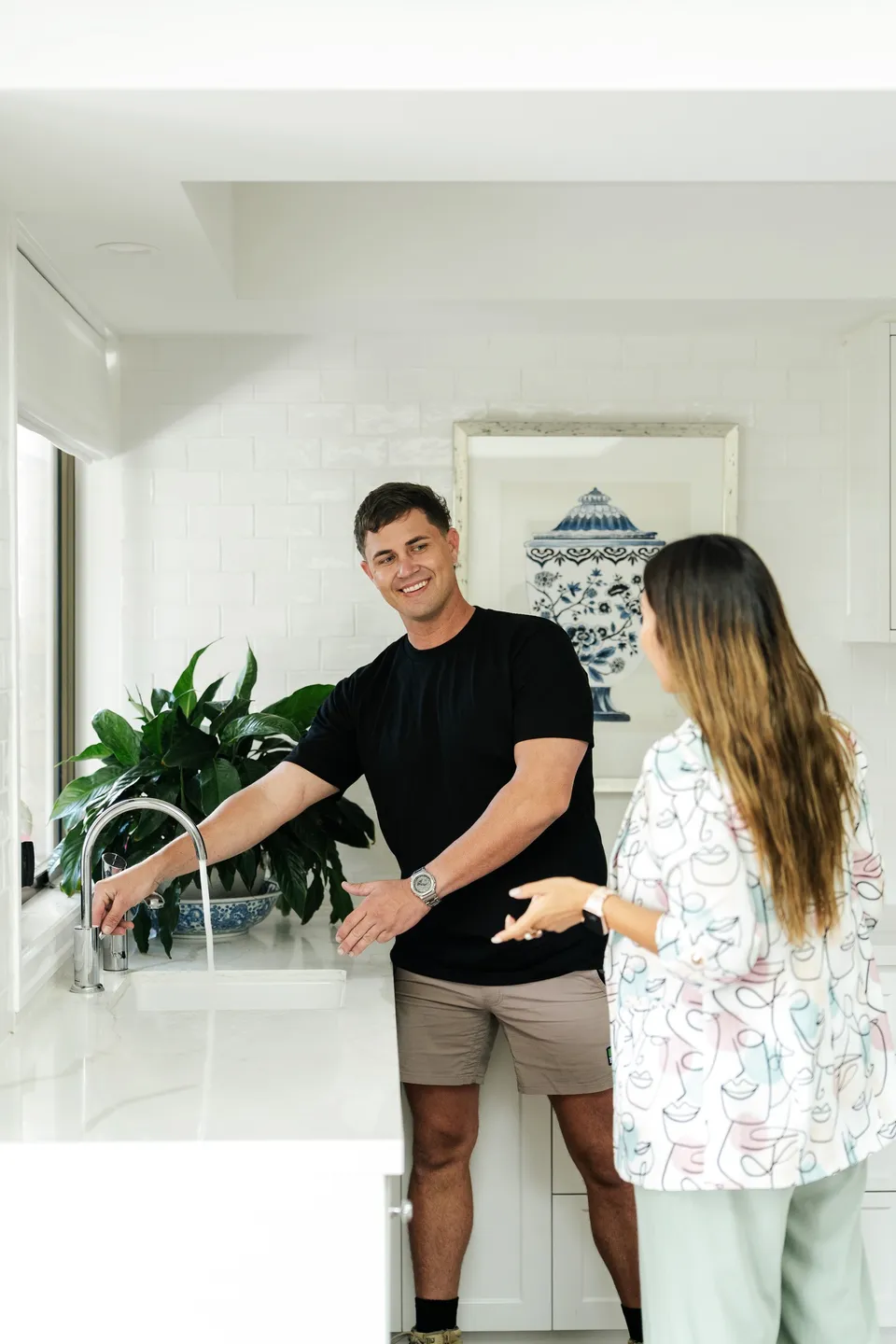
A mixer blends hot and cold through one lever, and that lever generally needs just a quarter turn. Sealing normally happens inside the cartridge rather than on rubber. Some older mixers close on a washer instead, and those count as washer taps for the rules below.
Count the handles and watch the turn. Two handles, several rotations: compression. One lever, a flick: mixer.
A drip means the part doing the sealing has worn out. The same symptom can come from a perished O-ring or a scored seat, which is why some drips outlast a new washer.
Plenty of the suburb's older housing suits the washer type. The brick and weatherboard places built through the sixties and seventies mostly grew up with two-handle taps, so washers remain the common culprit in those streets.
Is Changing a Tap Washer Legal in Queensland
Yes, Queensland householders may lawfully change the jumper valve or washer in a tap. The QBCC treats that single job as unregulated work, which means no licence, no approval and no report, as long as the finished job meets the minimum standards.
Anyone with the knowledge and skill for the job may do the swap. Everything past the washer belongs to a licensed plumber. The unregulated list stops at the jumper valve and washer, and the QBCC's owner guide uses a full tap replacement to illustrate licensed work.
Isolating the water comes first. Shut the fixture's own isolation valve, or the main stop tap down at the meter if the fixture has none, before anything comes apart.
Why a Small Drip Is Worth Fixing
Leave a tap dripping long enough and the waste runs to thousands of litres. The loss is quiet, steady and easy to ignore until a bill arrives.
Every drop the meter clocks is charged to the owner's account, drips included. Responsibility for leaks on the property side sits with the owner, so the cost lands on you, not the utility.
Urban Utilities runs an adjustment for concealed leaks, but a dripping tap is excluded, along with water wasted by other fixtures. A leaking spout never qualifies, so there's no relief waiting to soften the bill.
The suburb already cops around 1,047 mm of rain in an average year. Nobody needs their own taps adding to the flow indoors.
When the Drip Is Not the Washer
A drip that outlives a new washer, water showing at the handle or the base, or a mixer weeping from the spout: all three point somewhere other than the washer.
The likely culprits behind those signs include:
- a valve seat too worn or scored for any washer to seal against
- an O-ring or spindle seal past its use-by
- a fitting somewhere in the assembly that has loosened
- a cartridge at the end of its life
- a body cracked or corroded badly enough to weep
A QBCC licensee treats each of those as minor work: neither a permit nor a Form 4, just a booked visit.
One habit worth breaking: leaning on the handle. Extra pressure only speeds the wear on washer and seat alike, so the drip returns sooner.
When to Call a Plumber About the Drip
Call a licensed plumber when the tap is a mixer, when water shows anywhere other than the spout, or when a fresh washer hasn't stopped the flow. Queensland tenancy law requires the owner or manager of a rental to arrange routine repairs within a reasonable time, so landlords have their own reason to move on a drip.
Our tap repairs service handles washers, cartridges, seats and whole replacements across the suburb, with the price agreed before we start.
Dripping Tap Questions From Everton Park
Call (07) 3524 7163Why does my tap keep dripping after I turn it off?
The part that seals inside has worn out. On a two-handle tap, blame the washer or the seat it closes onto; on a mixer, the cartridge. Overtightening only speeds the wear, so the drip keeps coming back.
Do I need a licence to change a tap washer in Everton Park?
No, that swap is open to anyone. The QBCC treats the washer and its jumper valve inside a tap as unregulated work, so no licence, approval or report applies if the finished job meets the minimum standards. Cartridge work and every other tap job need a licensed plumber.
Why is my tap leaking at the base or handle?
Water there usually means a worn O-ring or spindle seal, a fitting that has loosened, or a cracked body, rather than the washer. A licensed plumber repairs any of them as routine minor work.
What does it cost to fix a dripping tap in Everton Park?
Two things drive the price: the tap type and which part has worn, plus whether the seat or body is also damaged. The fixed quote settles the figure before work begins.
Ring Us and We'll Sort the DripWe'll call you back.
Ring (07) 3524 7163 and tell us what's wrong. You get $0 call-out fees, a fixed quote before any work starts and same-day where we can, 7 days a week.
To claim your $0 call-out fee, call (07) 3524 7163 today.